Why the theme Seasons and weather makes a good book
An adventure that suits the child
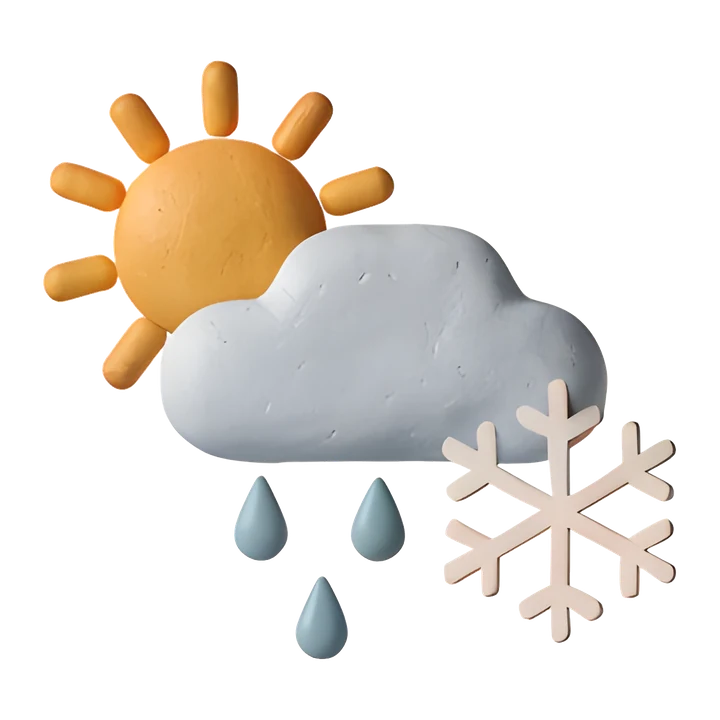
Weather is the first natural phenomenon children really notice: the cold that nips at their cheeks, the rain that makes puddles to jump in, summer evenings that stay light long after bedtime. Where the year turns clearly, each season brings its own clothes, sounds and games. A picture book in which your child walks through the whole year ties it all together, and the same place can look completely different in January and in July. Your child can then discover that for themselves through the window, and the words for what is happening find a context.
The same tree in four outfits
A seasons book can follow a single place through the year: the apple tree that stands bare, blossoms, bears fruit and drops its leaves, or the window where your child watches snow, rain and sunshine take turns. The weather can become characters – a rain cloud that won't stop crying, a wind playing tricks with the washing. Each season has its games to show: sledging, puddle-jumping, swimming in the lake, piles of leaves to fling yourself into. Each season can also have its own tone in the pictures: white, pale green, yellow and rusty red. If you live far enough north, the book can show the sun that never sets in summer and barely appears in midwinter.
Your sky, your garden
It becomes your child's own year when the place is right. Do you live by the sea, in a town with streets that shine in the rain, or in a house by the woods? Is there a special tree in the garden, or a hill where you go sledging every winter? Write in the snowsuit in the right colour, the summer holiday spot, the apple-picking at the neighbours' and the month of your child's birthday, so the birthday can become one of the high points of the year. Are the winters where you live white and crunchy, or mostly grey and wet? The book can show your own climate.
Following the year together
At 0–2 the weather becomes sounds and feelings: splash, crunch, whoosh and warm. A child of 3–5 often enjoys pairing weather with clothes – wellies for rain, a hat for snow. At 6–9 the story can ask why leaves change colour or where migrating birds go, and at 10+ a storm can bring suspense to the plot.
After reading, keep a weather diary for a week and draw the day's weather every morning. Take a photo of the same tree in each season and put the pictures side by side. And around Midsummer you can talk about how long it stays light that particular evening.
Your child is the hero
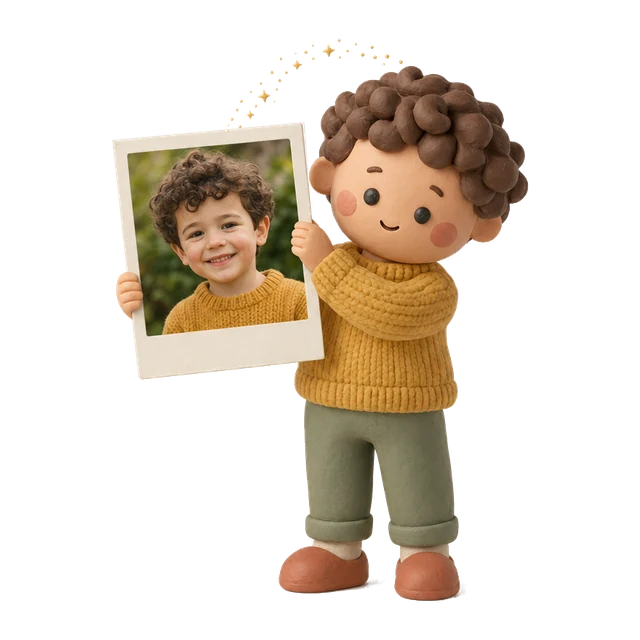
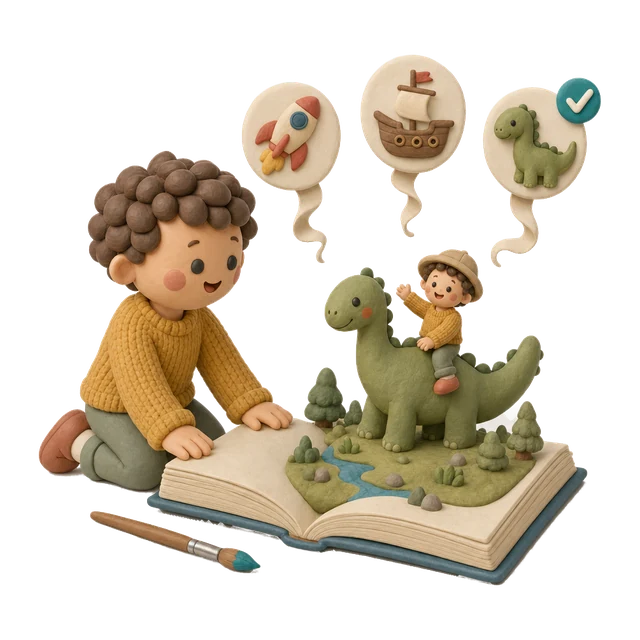
You fill in the child's name, age and what they like, and upload a photo. The story about the seasons and the weather is written for your very own child, and the thirteen pictures and the cover are drawn from the photo in the style you choose. Brothers and sisters, parents, grandparents or the pet can come along, up to five characters. If you would like to include something that has happened lately, a trip or a lost tooth, just write it and it is woven in.
From eBook to hardcover book
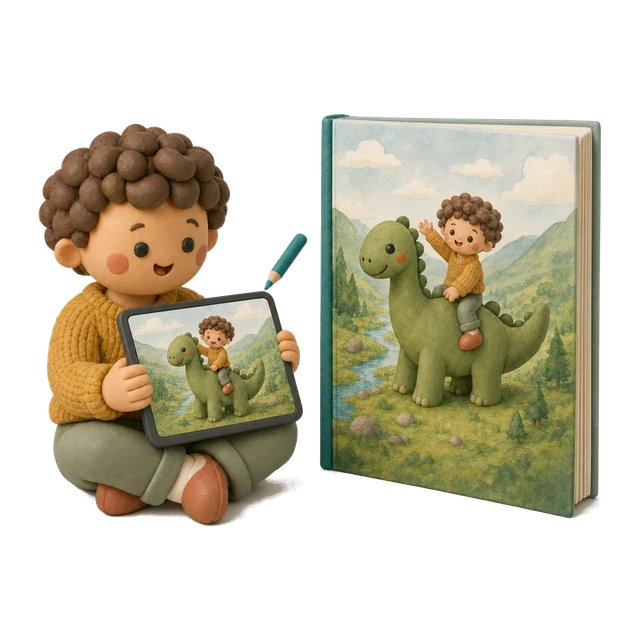
The eBook is ready a few minutes after payment. Read it, change the text and ask for new pictures until you are happy. Then order it as an A4 hardcover book, printed and sent to your door, or straight to the child as a gift. Do add the audiobook or the coloring pages. Start creating the book or read more about the prices. Would you like to see a finished book before you decide? Browse our example books.
How the story could begin
One morning a little man is sitting on the windowsill outside. He's made of ice and has an icicle for a nose. “I am Winter,” he says through the glass, “and I'm so tired. Could you help me find Spring, so I can get some rest?” You pull on your snowsuit, your hat and your big mittens. Outside, the snow creaks under your wellies. You search under the fir trees and behind the woodshed, but everything is white and still. Then you spot something by the big stone next to the gate, where the sun shines all morning. The snow has melted in a little ring, and in the middle of it something green is poking up out of the soil. The winter man bends down until his icicle almost touches the ground. “There she is,” he whispers. “But she's so small. She needs someone to guard her until she has grown.”
 Christmas
 Birthday
 Unicorns
 Dinosaurs
 Pirates
 Space
 Princes and princesses
 Fire department
 Sports
 Mermaids
 Superheroes
 Knights and dragons
 Construction vehicles
 Starting school
 A trip to the farm
 Jungle
 Fairies
 Treasure hunt
 Underwater
 A new baby
 Brushing teeth
 Confidence
 Bedtime story
 The enchanted forest
 Witches and spells
 Giants
 Gnomes
 Wizard school
 Camping
 Time travel
 Haunted house
 Police
 Racing
 Airplanes
 Secret mission
 The zoo
 Dressing up
 Building a tree house
 The amusement park
 A train journey
 A visit to the doctor
 The dentist
 The library
 The beach
 The forest
 Baking
 Music
 Dance
 Ancient Egypt
 The Stone Age
 The Vikings
 In the future
 The Middle Ages
 Candy land
 At the North Pole
 The savannah
 Easter
 Halloween
 Lucia
 Midsummer
 New Year
 Name day
 Eid
 Hanukkah
 Becoming a big brother or sister
 Father's Day
 Mother's Day
 Grandparents
 A new pet
 Moving house
 Sleepovers
 A wedding
 Vacation
 Learning to ride a bike
 Giving up the pacifier
 Potty training
 Tidying up
 Eating well
 Learning to tell the time
 Learning to count
 The alphabet
 Seasons and weather
 Afraid of the dark
 Tantrums
 Feeling homesick
 Being teased
 Jealousy
 Feeling proud
 Handling big feelings
 Funny story
 Olivia
 Muhammad